Keep your pigs healthy with the right balance of hay, pellets, and fresh veggies.
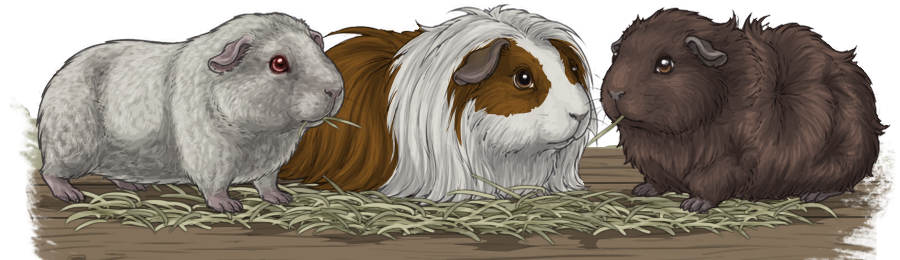
Hay makes up 90%+ of a guinea pig's diet, essential for gut health and teeth. Provide unlimited floor piles—never restrictive racks. Choose fresh, green, sun-cured hay; avoid alfalfa and mold.
Guinea pigs need daily fresh vegetables (about 1 cup) for vitamin C, which they can't produce themselves. Rotate leafy greens and other veggies for variety. Avoid high-oxalate foods and never feed frozen produce.
Pellets should be just 1-2 tablespoons daily—a supplement, not a staple. Choose grass-based pellets without alfalfa or fillers. Pellet-free diets work too, with unlimited hay and extra vegetables.
Guinea pigs need fresh water daily, fully refreshed even if some remains. Water bottles are preferred over bowls, which risk contamination. Clean bottles regularly and never add vitamin C or flavorings.
Treats build trust but should stay occasional due to sugar content. Small pieces of fresh fruit, forage, and plain rolled oats work well. Avoid packaged treats with alfalfa, honey, or nuts.
Guinea pigs can't produce vitamin C and need 20-25mg daily to prevent scurvy. Fresh vegetables, especially bell peppers, are the best source. Supplements help when needed—never add vitamin C to water.
Wild forage like dandelion and clover adds diet variety. Only pick plants you can confidently identify, avoiding treated land.