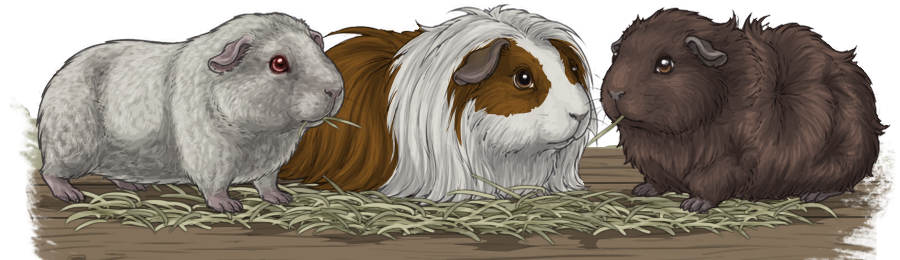
Offering treats can help build trust with your guinea pig, especially when hand-fed to create positive associations and ease shyness. However, they should be given occasionally, as many are high in sugar and carbohydrates and can contribute to health issues such as gastric stasis when overused. A tiny piece of fresh fruit, a little safe forage, or a small amount of plain rolled oats can be enough to make treat time special.
Fresh Fruit
Small pieces of fresh fruit are the best treats to offer. Fruit is naturally high in sugar, so it should be offered as an occasional treat rather than as part of your guinea pig's daily diet or as a replacement for vegetables. A small piece means just a bite or two—not a handful or a whole piece of fruit. Keeping portions small makes it easy to offer fruit as an occasional reward without adding a significant amount of sugar to your guinea pig's diet.
Never offer dried or dehydrated fruits. Removing the water concentrates the natural sugars, which makes dried fruit much higher in sugar per bite. A guinea pig can easily consume far more sugar from a small piece of dried fruit than from fresh fruit.
Guinea pigs can have:
- Apples
- Apricots
- Bananas (with peel)
- Blackberries
- Blueberries
- Cherries
- Citrus (with peel)
- Cranberries
- Currants
- Grapes
- Guavas (no seeds)
- Kiwi
- Mango (no skin)
- Melons (including rind)
- Nectarines
- Papayas
- Peaches
- Pears
- Pineapples
- Plantains
- Plums
- Pomegranate seeds
- Raspberries
- Strawberries
Forage Treats
Fresh herbs, flowers, and other safe forage can also make excellent treats. These provide something special without relying on sugary foods, and dried forage can be particularly useful for adding variety and encouraging natural foraging behavior.
Cross-reference the Forage guide before offering any new plant or flower.
Packaged Treats
Very few commercially available treats are actually safe for guinea pigs. Many products marketed specifically for guinea pigs contain ingredients that are unnecessary or inappropriate for them. The ingredient list matters more than the label on the package.
Avoid treats that contain alfalfa, honey, yogurt, cereal, milk, eggs, seeds, nuts and other unsafe ingredients or additives.
If you chose to offer prepackaged treats, here's what we generally recommend:
- Oxbow biscuits
- Exotic Nutrition Timothy Puff Sticks
- Exotic Nutrition Timothy Twists & Rings
- Exotic Nutrition Sunflower Stalk Chews
- Pea flakes
- Dried flowers (cross-reference the Wild Forage guide)
- Plain rolled oats
Check the Ingredients
Never assume a treat is safe just because it comes from a trusted brand. Even reputable companies may sell certain products that contain ingredients which are not appropriate for guinea pigs, such as alfalfa. Always read the ingredient list for the specific product before offering it to your pets! Do not rely on a brand name alone.
Rolled Oats
Rolled oats can be offered as an occasional treat, and make a great alternative to unhealthy treats found at pet shops. Choose plain rolled oats without added sugar, flavorings, or other ingredients. Avoid flavored or sweetened oatmeal and instant products that contain additional ingredients.
Rolled oats can also be used as a simple form of enrichment. Sprinkle a small amount around the cage instead of placing it all in one dish, encouraging your guinea pigs to explore and forage for their treat.
Treats to Avoid
Some of the most common guinea pig treats on store shelves are among the worst choices. These are best left out of your guinea pig’s diet entirely.
Salt and Mineral Licks
Salt wheels and mineral licks are marketed for guinea pigs, but they are not safe or necessary. A proper diet of hay, fresh vegetables, and a quality pellet already provides all the minerals guinea pigs need to thrive. Extra minerals can contribute to the formation of bladder stones.
Alfalfa Treats
Alfalfa is high in calcium oxalates, and too much calcium oxalate is linked to the formation of bladder stones. Alfalfa shows up in many cubes, chews, and “hay-based” treats, so it’s worth looking for even in products that seem healthy.
Yogurt Drops and Dairy
Yogurt drops, milk-based treats, and cheese are not suitable for guinea pigs. They are herbivores and cannot digest dairy, and these treats are usually loaded with sugar as well.
Seed Sticks and Honey-Coated Treats
Seed sticks, nut mixes, and treats held together with honey or syrup are high in fat and sugar. Hard seeds and nut pieces can also be a choking hazard.
Human Snacks
Bread, crackers, cereal, chips, cookies, candy, and chocolate should never be given to guinea pigs. Chocolate is toxic, and the rest are high in starch, sugar, salt, or fat with nothing to offer a guinea pig nutritionally. Meat, eggs, and anything cooked or seasoned are also off the table.
Fruit Pits, Seeds, and Stems
Even safe fruits can have unsafe parts. Remove pits and seeds from apples, cherries, apricots, peaches, nectarines, and plums before offering them, and discard any stems or leaves from these fruits.