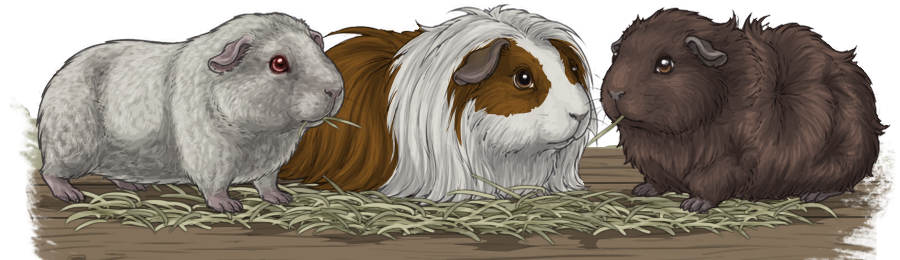
Guinea pigs don't need vaccines or flea prevention like cats and dogs, but they do need a vet who understands their specialized needs. As exotic mammals, they have unique anatomy, medication requirements, and health concerns that differ significantly from those of cats and dogs, and not every vet is equipped to treat them.
Guinea pigs are also prey animals, so they instinctively hide illness to avoid predatation. By the time a problem is obvious, it is often advanced, which is why a sick guinea pig can seem to go downhill out of nowhere. The best protection is preparation: find the right vet before you need one, learn the early warning signs, and act quickly when something changes.
Finding the Right Vet
Not every vet who agrees to see a guinea pig has the experience to treat one correctly. Knowing what kind of vet to look for, what to ask, and where to search will help you find someone you can trust with your guinea pigs care.
Exotics Vets vs. General Practice Vets
We always recommend an exotics vet. Most veterinary schools spend little or no time covering guinea pigs, and most vets graduate knowing far more about cats and dogs. Exotics vets build on their degree with extra training: internships, residencies, continuing education, and sometimes board certification in exotic companion mammals.
"Exotics vet" can mean different things, though. Some see mostly birds or reptiles, so the title alone doesn't guarantee guinea pig experience.
Some general practice vets are very good with guinea pigs. Others can make serious mistakes, such as prescribing amoxicillin or penicillin. Whoever you see, ask questions and confirm any medication is safe for guinea pigs before giving it. Never give leftover medication, or medication prescribed for another animal, unless a guinea pig-savvy vet tells you to.
Questions to Ask a New Vet
The worst time to search for a vet is while your guinea pig is sick. Find one before you bring guinea pigs home, and save their number in your phone.
This matters most in the US, where access varies widely. Outside major cities, exotics vets can be scarce. Some states have only one or two. If the nearest one is hours away, also find a closer vet who is willing to treat guinea pigs. They can stabilize your pet when a long drive isn't possible right away, and may have a referral relationship with an exotics practice.
When you call a new practice, these questions help you judge their experience:
- How many guinea pigs do you see in a typical month?
- Which vet in the practice sees guinea pigs most often?
- Do you do surgery on guinea pigs?
- Do you see guinea pigs after hours? If not, which emergency hospital do you recommend?
- Where do you refer guinea pig patients for conditions you don't treat?
Exotics Vet Directories
- US: Association of Exotic Mammal Veterinarians (AEMV)
- US: American Board of Veterinary Practitioners (ABVP) member directory. Look for the Exotic Companion Mammal specialty.
- UK: Royal College of Veterinary Surgeons, Find a Vet
- Anywhere: search Google for "exotics vet near me"
When Your Guinea Pig Needs a Vet
Vet visits fall into three broad categories: routine checkups for a healthy guinea pig, prompt visits when you notice signs of illness, and emergencies that need care right away. Knowing which situation you're in helps you decide how quickly to act.
Yearly Wellness Exams
A yearly wellness exam is a good idea, especially for new owners who may not yet recognize the subtle early signs of illness. A thorough exam includes:
- A nose-to-toes physical exam: weight and body condition, heart and lungs, eyes, ears, skin, feet, abdomen, and genitals. Teeth are checked with an otoscope or speculum, since guinea pig teeth grow constantly and problems at the back of the mouth can't be seen without tools.
- Bloodwork, when recommended based on age, history, or exam findings. A complete blood count (CBC) plus a chemistry panel can reveal anemia, inflammation, and organ problems you can't see or feel.
- For females: a check for ovarian cysts and other reproductive problems, which are common in sows. Your vet may feel for them or recommend an ultrasound.
- A review of diet and housing, which is a good chance to ask questions.
Some experienced owners with large herds skip yearly exams. That's okay, as long as you do weekly health checks and weigh-ins at home, and keep a low threshold for calling the vet when something changes.
Signs of Illness
Any significant change in appetite, behavior, breathing, urination, digestion, or mobility should be taken seriously. If your guinea pig shows any one of these signs, see an exotics vet as soon as possible. The list is long because many of these problems can turn fatal even when they look minor at first.
Eating and digestion
- Eating less, or not at all
- Weight loss
- Dropping food, or trouble chewing
- Drooling, or a wet chin
- Fewer, smaller, or no droppings
- Diarrhea
- Bloated or distended belly
Breathing, eyes, and nose
- Discharge from the eyes or nose
- Frequent sneezing or coughing
- Labored or noisy breathing, or visible belly effort when breathing
- Squinting, red, cloudy, swollen, or sunken eyes
Skin, coat, and feet
- Excessive scratching or hair loss
- Puffed-up coat with a hunched posture
- Lumps or swellings
- Swollen or red feet, or limping
- Deep wounds or any animal bite
Urinary and reproductive
- Squeaking or straining when urinating
- Blood in the urine or droppings
- Bleeding from the eyes, nose, ears, or genitals
- Prolapse
- Problems giving birth
Behavior and movement
- Less active than usual
- Unusual or erratic behavior
- Head tilt or walking in circles
- Muscle weakness or paralysis
- Seizures
When in doubt, call your vet. A minor problem caught early is far easier (and cheaper) to treat than an advanced illness.
Emergencies
Some situations can't wait for a regular appointment. Go to an emergency vet right away if your guinea pig has:
- Difficulty breathing
- Collapsed, or is cold, barely responsive, or unable to stand
- Seizures or paralysis
- Severe bleeding, major wounds, or an animal attack
- Suspected poisoning
- A severely swollen belly
- Complete refusal to eat
- Inability to urinate
- Signs of severe pain
- Difficulty giving birth
Don't wait to see whether they improve on their own. Their life may depend on fast care.
Always call before you drive. Many emergency clinics don't treat guinea pigs because they have no vet with the experience. Ask:
- "Do you see guinea pigs?"
- If yes: "Is the vet on duty experienced with exotics?"
- If no: "Do you know a clinic nearby that does?"
Search Google for "emergency vet near me"
Once you find an emergency clinic that sees guinea pigs, save its number and address next to your regular vets, and know the route before you ever need it.
At the Vet
A vet visit can feel overwhelming, especially when your guinea pig is sick and decisions need to be made quickly. Coming prepared, understanding why tests are recommended, and knowing your options will help you work with your vet as a partner in your guinea pigs care.
Preparing for a Visit
A little preparation gives your vet better information and keeps the trip less stressful. Bring:
- A health record. Weekly weights show trends a single weigh-in can't. Also note past illnesses, treatments, dental work, surgeries, and exam dates, and bring records from any other vet.
- Current medications and supplements, with strengths and doses.
- Notes on symptoms: what you noticed, when it started, and whether it's getting worse. Photos or short videos help with things that come and go, like odd breathing or a limp.
- A list of everything they eat, including pellets, hay, veggies, and treats.
- Fresh droppings in a clean bag, if digestion is a concern.
- A secure carrier lined with a familiar towel or fleece, plus hay, some of their usual veggies, and water for long trips.
- Their bonded buddy. A companion can keep a nervous guinea pig calmer, and may need checking too if the problem is contagious.
If your guinea pig has stopped eating or pooping, tell the front desk when you arrive so they can be seen promptly.
Never withhold food before an appointment or surgery. Guinea pigs can't vomit, so the fasting used for cats and dogs isn't needed and can cause fatal gastric stasis.
Diagnostic Testing
One symptom can have many causes, so your vet may recommend more than one test. Each test shows something the others can't.
Take a guinea pig squeaking while peeing. This could be a urinary tract infection, a bladder stone, or thick "sludge" in the bladder. A urinalysis can show infection, but an X-ray is needed to spot a stone, and an ultrasound may be needed to see sludge or a stone the X-ray missed. Each cause is treated differently, so guessing can waste time and money. If cost is a concern, ask your vet which test will give the most useful answer first.
| Test | What it shows | Common reasons to order it |
|---|---|---|
| Radiographs (X-rays) | Bones, teeth roots, bladder and kidney stones, gas in the gut, lungs | Not eating, drooling, limping, breathing problems, urinary signs |
| Ultrasound | Soft tissue and organs in detail, fluid, cysts | Ovarian cysts, bladder sludge, belly swelling, heart or liver concerns |
| Bloodwork (CBC and chemistry panel) | Infection, anemia, kidney and liver function, blood sugar | Wellness exams, before surgery, ongoing weight loss or lethargy |
| Urinalysis | Infection, blood, crystals, concentration | Squeaking or straining when peeing, blood in urine |
Second Opinions
If you're uncomfortable with a diagnosis, treatment plan, or medication, it's reasonable to get a second opinion from another vet experienced with guinea pigs. Good vets expect this and won't take offense.
A second opinion is especially worth it when:
- The diagnosis is serious, or euthanasia has been suggested
- Treatment isn't working after the expected time
- Major surgery is recommended
- A medication is prescribed that you've read is unsafe for guinea pigs
Ask your first vet to send your guinea pig's records, test results, and X-rays to the second clinic. This saves money, avoids repeating tests, and lets the second vet see the full picture.
If the second vet agrees with the first, that's useful too: you can move forward with confidence. Either way, don't delay urgent care while you wait for another appointment.
Affording Vet Care
Many owners put off the vet because they assume it will be expensive. Exam fees vary by region, so call and ask; it costs nothing. A typical exotics exam runs about $100–200 plus any medications, and guinea pigs need such small doses that meds are often inexpensive.
If money is tight, go sooner rather than later. Problems caught early are cheaper and easier to treat. Waiting can turn a simple fix into a costly emergency, or leave euthanasia as the only option.
When there's time, ask for an estimate before tests or treatment begin. In an emergency, though, don't delay care to compare quotes.
Ways to Cover a Bill
These options are available in most countries:
- A savings fund. Money set aside just for vet care is the best backup of all, because it's there the moment you need it.
- Payment plans. Ask your vet whether they offer one; some clinics do for established clients.
- Pet insurance. Options for guinea pigs are limited, and some exotic plans cover accidents but not illness. Before buying, check the policy for illness and dental coverage, annual limits, waiting periods, and pre-existing condition exclusions. Most policies reimburse you after the fact, so you'll usually still need to pay the vet up front.
- Veterinary school teaching hospitals. These sometimes offer lower-cost care, and some have exotics services.
- Local guinea pig rescues. They may know affordable vets in your area, and some can occasionally help with costs.
- Animal welfare charities. Some offer grants or low-cost care for owners in need. Many focus on cats and dogs, so ask whether guinea pigs qualify.
United States
- CareCredit is a credit card for medical and vet expenses. Its promotional plans usually use deferred interest: if the full balance isn't paid by the end of the promo period, interest is charged back to the original purchase date. Only use it if you can pay it off in time.
- Scratchpay offers payment plans for vet bills. It is a loan, not a credit card, so review the terms and interest rate before you agree.
Check that your vet accepts CareCredit or Scratchpay before applying.
United Kingdom
- PDSA provides free and reduced-cost vet care for pets of eligible owners, including guinea pigs. Eligibility depends on receiving certain benefits and living near a PDSA Pet Hospital or Pet Practice; their website has an eligibility checker.
- ExoticDirect is a specialist insurer that covers guinea pigs and other small mammals.
A Note on Fundraisers
Online fundraisers can help you recoup the cost of care, but we don't recommend relying on one to pay for treatment. A fundraiser can take days or weeks to reach its goal, and it can take more time for the funds to be released to your bank account. That delay is a luxury a sick guinea pig rarely has. Get your guinea pig the care they need first, then fundraise afterward if you need to make up the cost.
You Know Your Pets Best
No one spends more time with your guinea pig than you do. You know how they sound at feeding time, how they move around the cage, and what "normal" looks like for them. That knowledge is one of the most valuable things you can bring to your vet. If something feels wrong, trust that instinct, even when you can't name the problem.
Online communities are available to help you think through what you're seeing, share experiences, and point you toward resources. But advice from other owners can't examine, diagnose, or treat your guinea pig. When in doubt, call the vet first and ask online second.