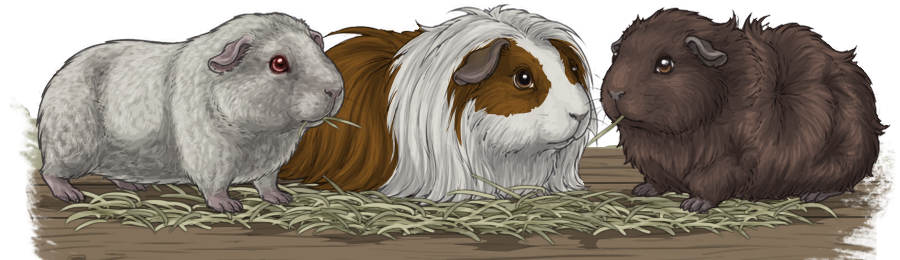
Guinea pigs are prey animals and generally feel safest on the ground and close to cover. Being lifted leaves them exposed with no way to escape. Handling is still a necessary part of care, needed for health checks, weigh-ins, nail trims, cage cleaning, and vet visits, so it's worth learning to do well. Correct technique reduces the risk of falls and injuries and makes handling less stressful for the guinea pig over time.
Lifting
A secure lift requires support at two points: the chest and the hindquarters.
Before You Lift
Guinea pigs are easier and safer to handle when calm. Avoid lifting them while they are running laps, during a dominance dispute with a cagemate, or immediately after a loud noise. Handling at consistent times—such as during a daily health check or weekly weigh-in—helps them become accustomed to it.
A hand approaching from directly above resembles a bird of prey. Most enclosures open from the top, so reaching in from above is often unavoidable. Once your hand is inside the cage, lower it to their level and approach from the side so your guinea pig can see it before you make contact.
Move at a normal, steady pace. Sitting still and then reaching in suddenly resembles the freeze-and-pounce behavior of a predator, and is more likely to startle them than ordinary movement and quiet talking. If they retreat into a hide, lift the hide away or guide them out gently rather than reaching in after them.
Hand Placement and Support
Place one hand under the chest and between the front legs. Your fingers and thumb should wrap gently around the torso, with the front legs either between your fingers or resting on your hand. This grip steadies the guinea pig and safely restrains them.
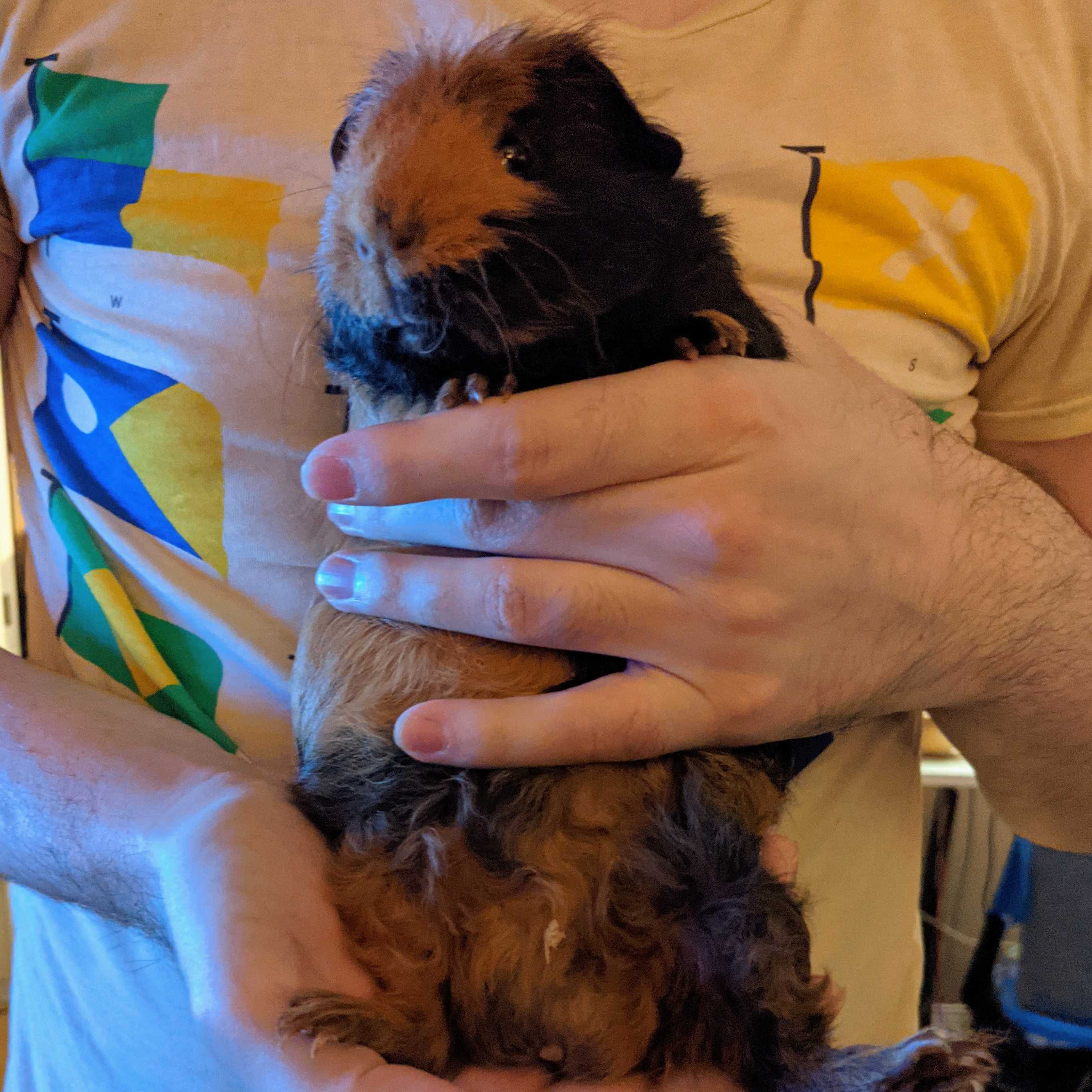
Use your other hand to scoop under the rump, so the hind feet rest in your palm. This hand carries most of the animals body weight. A guinea pigs spine is not built to hang unsupported, so the weight should rest evenly across your palm. Never lift a guinea pig from under their shoulders.
Hold firmly enough to prevent slipping, but do not squeeze. Pressure on the ribcage restricts breathing and can injure internal organs. You should be able to feel the chest rise and fall normally.
Lift in one steady motion. Pausing partway or jerking upward can startle a guinea pig into trying to jump out of your hands. Keep the body horizontal, with the head level with or slightly higher than the rump. Do not tip them nose-down.
Adjusting for Different Guinea Pigs
The standard technique works for most guinea pigs, but some require modifications:
- Pregnant females: Avoid handling in late pregnancy unless necessary. When lifting is required, keep your hands away from the belly and support her mainly from the rear.
- Elderly or arthritic guinea pigs: Stiff joints can make some positions painful. Keep lifts slow and brief, and watch for flinching when the hips or spine are touched.
- Large guinea pigs: Place your rear hand farther under the body so it carries more of the weight.
- Long-haired breeds: Make sure your fingers are not pulling on tangled fur, particularly around the rump, where matting is common.
- Young or small guinea pigs: These move quickly. Keep both hands closely cupped around them and stay low to the ground.
Setting Them Down
Many guinea pigs try to jump as they near the ground, so keep a firm hold and lower them slowly, all the way to the floor of the enclosure. Even a short drop can cause injury.
Keep one hand under the hindquarters so the back feet touch down first. A guinea pig lowered nose-first is more likely to leap from your hands, and an unsupported rear gives them room to twist free. Don't let go until all four feet are on the ground and they're standing steadily.
If possible, set them down near a hide so they can retreat right away. A small vegetable treat afterward helps them associate handling with something positive.
Carrying
A guinea pig being carried can still twist, kick, or jump, so support must be maintained until they are back on the ground.
Holding Them Securely
Bring the guinea pig against your chest with their front paws resting on you, while your lower hand continues to support the rear. Keep your other hand firm around the shoulders to prevent them from running up your body. Close contact provides a sense of enclosure and limits sudden movements.
Some guinea pigs settle better when wrapped loosely in a fleece blanket or towel with only the head exposed. This is often called a "burrito" hold and is useful for nail trims, health checks, and giving medication.
How Long to Hold Them
Carry guinea pigs only as far as necessary, walking slowly and watching where you step. Avoid stairs where possible, and keep other pets out of the room. For longer holding sessions, sit on the floor or a couch so that a slip results in a shorter fall onto a soft surface. Children should always hold guinea pigs while seated on the floor, with an adult present.
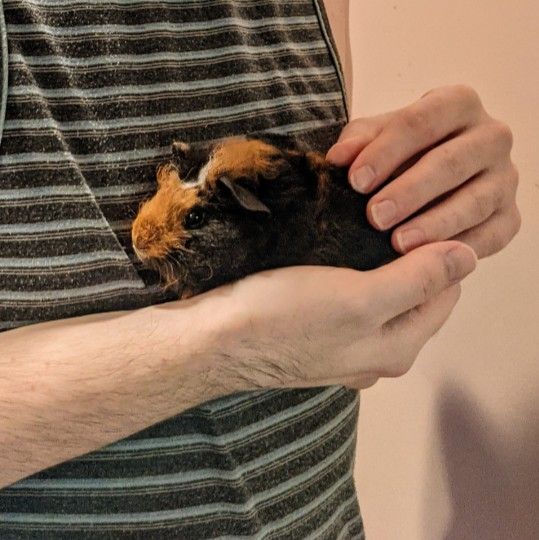
Many guinea pigs become restless after 10 to 15 minutes, often because they need to urinate. Return them before they begin to struggle. Ending sessions while the guinea pig is calm helps build tolerance for handling.
Do not pass a guinea pig directly from one person to another while standing. Either sit down together and transfer them at lap level, or place them on a secure surface and have the other person lift them using the full technique.
Keep handovers to a minimum. Guinea pigs generally dislike being passed from person to person, and each transfer adds stress. A guinea pig that is passed around frequently often becomes less tolerant of being held over time.
If They Begin Struggling
Scrabbling, wriggling, or nibbling at clothing usually indicates a guinea pig wants to be put back in the cage. Hold securely without squeezing, crouch or kneel to reduce the height, and return them to enclosure. Do not continue walking while they are struggling.
Petting
Guinea pigs prefer gentle stroking, rather than scratching, rubbing, or firm pats. Once your guinea pig is settled securely on your lap, keep one hand supporting them while using the other to pet them. Start with slow strokes over the head and neck, following the direction of fur growth. Use light pressure.
Most guinea pigs enjoy being pet on the top of the head, around the cheeks, and under the chin. Some also enjoy gentle strokes along the shoulders and upper back once they're comfortable. Every guinea pig has their own preferences.
A guinea pig who is enjoying the attention may sploot, flattening out with their back legs stretched behind them. They may also close their eyes, chut softly, relax their body, or lean into your hand. These are good signs that they are relaxed and comfortable with you.
If petting is too firm or your guinea pig becomes uncomfortable, they may wince, twitch, kick or flip onto their back. If your guinea pig suddenly rolls onto their side or back when you touch them, stop petting immediately and given them a moment to settle. This is a defensive response caused by fear or discomfort—not a sign that they want their belly rubbed.
The goal is not to make a guinea pig tolerate being petted everywhere. Good petting should feel calm and voluntary, with the guinea pig relaxed enough to enjoy the interaction and able to communicate when they've had enough.
Troubleshooting
Some guinea pigs resist handling even with good technique, and accidents can always happen. Resistance can also be a sign of pain or illness.
If They Fall
Guinea pigs have fragile bones and teeth, and a fall can cause fractures, broken teeth, or internal injuries that are not immediately visible. Because guinea pigs instinctively hide pain, they may appear normal for hours after an injury.
A guinea pig should always be examined by an exotics vet after a fall, even if they appear unharmed. While arranging the appointment, keep them in a quiet, enclosed space and note any of the following to report to the vet:
- Limping, dragging a leg, or reluctance to move
- Bleeding, especially from the mouth or nose
- Broken or misaligned teeth
- Labored or noisy breathing
- Hunching, fluffed fur, or sitting in a corner
- Reduced appetite or fewer droppings
Bleeding, labored breathing, or an inability to move require emergency care. Even without visible symptoms, an early examination can identify injuries that worsen over time, such as dental fractures that affect eating.
Biting and Signs of Stress
Vocalizations and body language indicate how a guinea pig is tolerating handling. Soft chutting and a relaxed posture suggest they are comfortable. Loud squealing, rumbling, or teeth chattering indicate fear or irritation. Freezing is a fear response, not a sign of calm, and a guinea pig that goes stiff or wide-eyed is likely highly stressed. In any of these cases, shorten the session and return them to their enclosure.
Guinea pigs rarely bite humans for no reason. Light nibbles or tugs are often a request to be put back in the cage. A hard bite, particularly when a specific area is touched or when being lifted, commonly indicates pain. So a guinea pig that starts biting when handled, or that consistently bites when a particular area is touched, should be examined by an exotics vet.
Using a Hide or Carrier
In some situations, moving a guinea pig without lifting them directly is the better option. This includes very skittish guinea pigs, newly adopted guinea pigs that have not yet built trust, elderly or injured guinea pigs, and pregnant sows. These methods are also useful for owners who are still building confidence with handling.
Cuddle sack: Set a cuddle sack in the enclosure with the opening turned away from you, and wait for your guinea pig to climb in on their own. Lift the sack and guinea pig together, supporting the bottom of the sack with one hand and keeping the other over the opening. Because the guinea pig stays hidden while being held, this method is gentler for nervous individuals.
Carrier: Set an open carrier inside one end of the enclosure. Encourage your guinea pig to walk in by placing vegetables inside, or guide them toward the entrance by moving your hand slowly behind them. Close the door before lifting the carrier so they cannot run back out. This method does not require picking up the guinea pig at all.
Practice crating occasionally, even with guinea pigs that handle well, to ensure the carrier is familiar if it is needed in an emergency.
Common Mistakes
The following mistakes can lead to injury or make a guinea pig fearful of handling.
- Picking up by the legs or loose skin. Guinea pigs do not have a scruff like cats. Lifting by the skin or limbs can cause dislocations, fractures, and significant pain.
- Letting the rear end dangle. An unsupported rear strains the spine and makes the guinea pig feel insecure, which increases struggling.
- Grabbing suddenly. Fast movements trigger a flight response and can cause the guinea pig to jump from your hands.
- Carrying with one hand. One hand places the full body weight on the chest or belly and cannot prevent a sudden twist.
- Holding them on their back. A guinea pig turned belly-up may go still, but this is a fear response, not relaxation. It is highly stressful and should be avoided.
- Squeezing a struggling guinea pig. A tighter grip increases panic and can injure the ribcage. Lower them to the ground instead.
- Physical discipline. Guinea pigs are small, delicate animals that simply do not understand physical discipline. Spraying them with water, tapping their nose, smacking their rear, shaking them, or striking them in any way is abuse. You are a much larger animal and you could accidentally kill them. Plus these actions often worsen fear-based behaviors like biting or aggression. Always handle your guinea pig with patience and care.
- Letting children stand while holding them. Children have smaller hands and less control, and a fall from standing height is far more dangerous than a fall from a seated lap.
- Chasing them around the enclosure. Pursuing a guinea pig around the enclosure causes significant stress and makes future handling more difficult. Our Taming article covers herding and crating as alternatives. A divider that temporarily closes off part of a large enclosure can also reduce the space you need to work in.
- Petting roughly or against the fur. Vigorous rubbing, scratching, or stroking backward can irritate the skin and quickly makes a guinea pig wary of your hand.
- Continuing to pet a guinea pig who wants to leave. Pulling away, nipping, or trying to climb off your lap means they've had enough. Pushing past these cues teaches them to dread being touched.