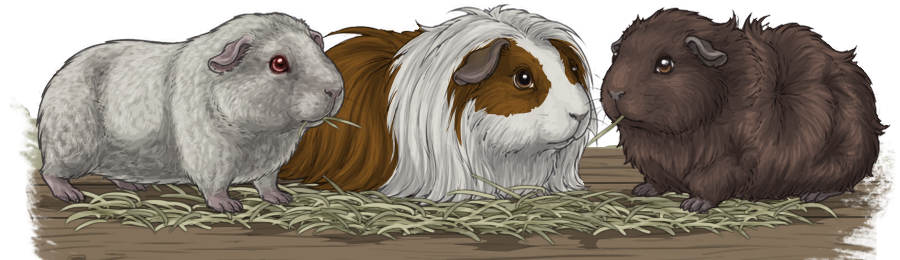
A new guinea pig being scared of you is completely normal. They've just landed in a new environment: new cage, new food, maybe a new cagemate, and a new person looming over them. As a small prey animal, their instincts read all of that as danger. Taming is the process of bonding with your guinea pigs and showing them—patiently and consistently—that you aren't a threat.
Understanding Their Fear
It's Instinct, Not Rejection
If your guinea pig bolts every time you walk up to the cage, it's not personal. Guinea pigs are prey animals, and predators like birds attack from above. When your shadow falls over the cage and your hand reaches down toward them, it looks like that kind of attack from your guinea pigs point of view. Running is instinct, not a judgment of you. Even the tamest guinea pigs never fully grow out of this. Taking it personally will only discourage you early on, so remember: this is just what prey animals do.
Body Language
Watch your guinea pig's behavior during a taming session, not just whether they're holding still. Two signals are worth knowing:
Fussing, fidgeting, or subtle teeth chattering can mean stress, or it can simply mean they need to use the bathroom. Either way, treat it as your cue to wrap up. Keep sessions to ten or fifteen minutes—short enough to end on a good note, before stress builds or you end up with an accident in your lap.
Freezing completely still and unblinking is the other signal to watch for. It can look like your guinea pig has calmed down, but it usually means the opposite: it's the "freeze" half of the flight-or-freeze response, and it means they're just as scared as if they'd bolted. If you see this, end the session and give them some space.
Setting Up for Success
Meet Their Basic Needs
A guinea pig that feels physically secure comes around to humans faster.
Fill the cage with large piles of hay—big, loose piles they can burrow into. Hay gives them coverage and a sense of security. A guinea pig that feels safe in their space is more willing to relax around you.
Make sure the cage is large enough, with at least one hidey per guinea pig. A hidey is usually the first place a new guinea pig runs to. The more hiding spots available, the more secure they feel. A cramped cage adds stress on top of an already stressful adjustment, especially with a cagemate involved.
Time to Settle
Resist the urge to handle a brand-new guinea pig right away. For the first few days, up to a week, limit contact to feeding, changing water, and cleaning. No picking up, no petting. This gives them time to decompress without also coping with unfamiliar hands reaching in.
Set the cage up somewhere quiet, away from kids, other pets, and loud noise. Keep it up off the floor if you can—height alone makes a big difference in how safe a guinea pig feels. Partially draping a light, loose blanket or sheet over part of the cage, while keeping airflow, can help them settle too.
Be Patient
Taming takes as long as it takes. Some guinea pigs warm up in days. Others take weeks, months, or longer to fully trust you. Every guinea pig has their own personality, so progress won't look the same from one guinea pig to the next. A guinea pig that never fully enjoys being picked up can still be a wonderful, food-motivated, chatty companion. The trust you build is worth the time it takes to earn it.
Proper Handling
The Right Approach
How you move matters as much as how often you interact. Most guinea pig cages are open from the top, so you can't always avoid reaching in that way—but you can still be mindful about it. Once your hand is inside the cage, move it in from the side rather than straight down over your guinea pig, and avoid looming directly overhead. Herding them gently into a corner, rather than chasing them around the cage, also makes catching them far less stressful for everyone.
Don't feel like you need to freeze or tiptoe around them, though. Sitting perfectly still and then moving suddenly can startle a guinea pig more than normal movement does. Predators often stalk and freeze before pouncing. Plenty of ordinary movement and quiet conversation is usually less threatening than trying to stay silent and still.
Pick-Up Safety
Always support their body weight when you pick them up. One hand goes under the chest and front legs; the other supports their hindquarters and rear. Never grab from above or by the scruff. Don't squeeze or lift by the middle alone—their back needs support the whole time they're off the ground.
A cuddle sack can make pick-up easier. Place a soft pouch in the cage with the opening facing away from you, and let your guinea pig climb in on their own. Once they're inside, lift the sack and them together. They get somewhere to hide while being held, which often makes the whole experience less stressful for a nervous guinea pig.
Crating Guinea Pigs
Chasing a guinea pig around the cage is stressful for both of you. It's worth having an easier method ready, especially for situations like emergencies where you need to catch them quickly. Place a carrier into one end of the cage. Encourage them to walk in on their own by feeding them vegetables inside it, or guide them in by moving your hand gently behind them. Once they're inside, close the carrier before lifting it so they can't dart back out. This lets you move them without a stressful chase, and it can be helpful if you aren't confident picking them up.
Building Trust
Gentle Touch
Start slow: talk softly, rest your hand near them, and gently touch their head. Try scratching their cheeks, chin and behind their ears. Most guinea pigs enjoy having their face scratched, but generally dislike being touched on the lower back, belly, or rear. If your guinea pig has rosettes in their fur, stroke with the direction of hair growth, not against it.
Keep your touch gentle. Guinea pigs like being stroked, not roughed up the way you might play with a dog. If a guinea pig is scratched too hard or handled roughly, they may flip themselves onto their back or kick you. This isn't like a dog rolling over for a belly rub. It's a fear response, similar to playing dead. If it happens, stop immediately and give them a calm moment to recover and relax.
Hand Feeding
Guinea pigs are extremely food-motivated. Hand feeding is one of the most effective ways to build trust.
Once they're used to your hand near their face, bring a favorite vegetable to the floor of the cage and wait. If they're used to a regular feeding time, they'll likely be expecting it — let them decide when to approach. If they don't come to you, move your hand closer to their hiding spot and let them grab the food from there. Do this daily. Gradually hold onto the vegetable a little longer each time, so they get used to nibbling while you're still holding it. Over several days, most guinea pigs get comfortable coming further out of hiding to eat from your hand. Eventually, they stop running at feeding time altogether, because they're expecting to be fed.
If a guinea pig refuses food from your hand at first, tuck a small piece of a favorite vegetable gently into their mouth until they grab hold and tug it away from you. Most will go ahead and eat it once they've got hold of it themselves.
Keep frequent hand-feeding treats low in calcium, sugar, and acidity. Small bits of bell pepper and leafy greens work well for this.
The Snapping Trick
Once your guinea pig is comfortable taking food from you, you can build a specific, predictable cue that signals "something good is about to happen" right before you pick them up. Finger snaps work well, or you can use a clicker instead—pick one and stick with it, since guinea pigs learn the pattern faster when the sound stays consistent.
- Snap your fingers (or click), then pick them up.
- Give them a treat right away (a hay top, small piece of vegetable, or pellet).
- Snap or click again, then set them back down.
- Give another treat.
- Repeat daily.
This works the same way a dog learns that a leash means a walk is coming: the sound predicts the treat, and eventually the treat's good feeling attaches to the sound itself. Over time, your guinea pig starts to associate the cue with something good rather than something scary, which can make picking them up far less of a chase. Try to use this cue consistently, right before handling, rather than for other things—the more reliably it predicts a treat, the faster it works.
If your guinea pig is deaf or hard of hearing, gently tap the bottom of the cage instead. They'll feel the vibration even if they can't hear the snap or click.
Sit With Them
Time together shouldn't always require feeding or touching. Sitting near the cage and talking softly is a low-pressure way to get them used to your voice and presence. This is also a great activity for kids—have them sit by the cage and read a book out loud.
Sitting inside a playpen with your guinea pig, with vegetables in hand, and simply letting them approach you also works well. It teaches them you're not just there to grab and hold them. You're also a source of food and calm company. A separate playpen is fine for this, but avoid sitting directly inside a larger cage with your guinea pigs still in it — it's easy to trip or step on them, so move them to their own space first.
Once your guinea pig is comfortable being held, settling in for some quiet time together works well too—watching TV with them on your lap or chest, for example. The warmth and steady contact can be soothing for a guinea pig who's already used to you, and it's a relaxed way to build on the trust you've earned. Just be mindful of your footing while you're in there with them—it's easy to trip or step on a guinea pig underfoot without meaning to.
A lap pad—a small fleece cage liner made for lap or bed use—is worth having on hand for sessions like this. It protects you (and your furniture or bedding) from accidents, the same way a cage liner protects the cage floor. A waterproof mattress cover is a good idea too if you spend much time with your guinea pig on the bed. With those precautions in place, quiet time together is one of the most rewarding ways to enjoy the trust you've built.