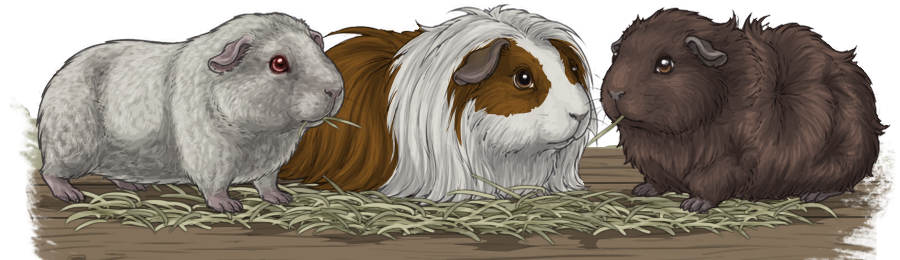
Guinea pigs produce a large amount of waste, pooping more than 200 times a day. They tend to eat, sleep, and relieve themselves in the same few areas of the cage, so those spots become soiled and damp much faster than the rest of the enclosure. Regular cleaning is one of the most important parts of guinea pig care and has a direct effect on their health.
Keeping a cage clean does not require hours of work. It requires a consistent routine: spot cleaning daily, a deep clean at least once a week, and disinfection when there is a specific reason for it. The goal is a cage that is dry, sanitary, and comfortable—not one that looks spotless at all times. This guide explains how these fit together and links to detailed guides for each.
Why Cleaning Matters
Damp bedding is where odor starts. Moisture left in the cage contributes to odor and bacterial growth, and urine that sits in bedding over time leads to ammonia buildup underneath the surface. Guinea pigs live close to the cage floor, so they are directly exposed to ammonia fumes, which irritate the respiratory tract. This is a particular concern because guinea pigs are prone to respiratory infections. Damp, soiled bedding can also contribute to skin and foot problems, including bumblefoot.
Urine and waste collect in corners, seams, and hideys, and soak into bedding that may still look clean. Hay dust, dander, and shed hair will also settle in and around the cage and on nearby surfaces. A cage that is not cleaned regularly and thoroughly will eventually become an unhealthy environment for your guinea pigs.
Cleaning Frequency
Routine cage care is made up of two types of cleaning: daily spot cleaning and weekly deep cleaning. Both are necessary. Spot cleaning maintains the cage between deep cleans, while deep cleaning resets the environment.
Spot Cleaning
Spot cleaning should be performed every day. It involves removing damp or soiled bedding, clearing waste from high-use areas, removing uneaten fresh food, and refreshing hay. The goal is to keep moisture and waste from building up between deep cleans.
→ Read more: Spot Cleaning
Deep Cleaning
Deep cleaning is done at least once a week. All bedding is removed, and the cage and accessories are cleaned before fresh bedding is added. Deep cleaning removes the urine and waste buildup that spot cleaning cannot reach.
→ Read more: Deep Cleaning
Disinfection
Cleaning removes visible dirt, waste, and odor, but it does not always kill the bacteria, viruses, or fungal spores left on a surface. Disinfecting is the additional step that addresses them, and it only works on a surface that has already been cleaned.
Routine cleaning does not require disinfection every time. It is most useful after quarantine or a contagious illness, between foster animals, when introducing a new animal to an established herd, and before reusing a cage that has been in storage. Disinfectants are only effective when used at the correct dilution and left on the surface for the full contact time listed on the label.
→ Read more: Cage Disinfection
Troubleshooting Odors
A consistent cleaning routine should keep odor and moisture under control. If it doesn't, cleaning more often is rarely the solution. Persistent problems usually point to an issue with the setup or, in some cases, with your guinea pigs health, and addressing the underlying cause is more effective than simply adding more cleaning sessions.
Warning Signs
- The cage has a strong odor soon after it has been cleaned
- Bedding stays damp between spot cleans
- Waste builds up faster than daily spot cleaning can keep up with
- The cage needs more than one deep clean a week to stay sanitary
Cage Size
The most common cause of odors is a cage that is too small for the number of guinea pigs living in it. In a smaller space, urine and droppings are concentrated into fewer areas, so bedding becomes saturated and odor builds up much faster. The same thing happens when a new guinea pig joins a cage that was sized for fewer animals. In either case, upgrading to a larger cage will do more to control odor than cleaning more often.
→ Read more: Cage Size
Health Causes
If a cage that used to be easy to maintain suddenly becomes harder to keep clean, and nothing about the setup has changed, the cause may be health-related. Watch for a noticeable increase in urine, urine that looks bloody or smells unusually strong, or soft, loose, or smeared droppings. Changes like these can indicate a medical problem and should be checked by your exotics veterinarian.