Deep cleaning is a full reset of the cage: replacing all the bedding and thoroughly cleaning and disinfecting the cage bottom, walls, hideys, toys, bowls, bottles, and other accessories.
Spot cleaning keeps the cage manageable day to day, but it can't remove all of the urine, waste, hair, and dust that accumulates over time. A deep clean gives the entire habitat a fresh start.
Frequency
Deep clean at least once a week. That's the baseline for a properly sized habitat with an appropriate bedding setup, and most owners find this schedule keeps the cage sanitary and comfortable between cleanings.
Some owners choose to deep clean more often than that, and that's great—opting into more frequent cleaning is never a problem.
If your cage needs more frequent deep cleaning just to stay sanitary, however, take that as a signal rather than a routine to settle into. Check that your habitat is appropriately sized for the number of guinea pigs living in it, and consider whether a different bedding type might control odor and moisture better. If you're constantly fighting overwhelming odor, wet bedding, or rapidly accumulating waste even with weekly deep cleans, it's worth looking at why the cage is getting so dirty so quickly rather than simply adding more cleaning sessions.
Cleaning Products
Choosing the right cleaning products is very important, since guinea pigs are sensitive to strong fragrances and harsh chemicals. The products below are our recommended choices.
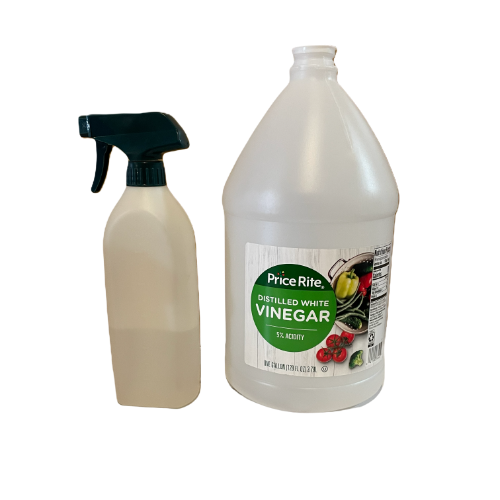
Distilled White Vinegar
Distilled white vinegar is the safest and most effective cleaning product to use around guinea pigs. It cuts through urine and odor quickly and naturally. Mix equal parts vinegar and water in a spray bottle.
Do not use apple cider vinegar (sticky, and doesn't clean as effectively) or industrial-strength vinegar (potentially hazardous when handled incorrectly).
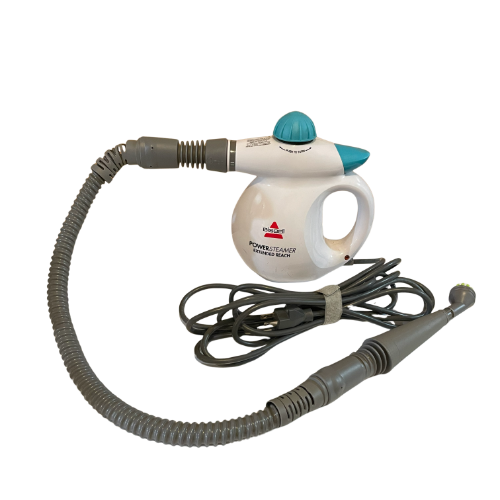
Steam Cleaners
Steam cleaners can effectively remove urine stains and odors. Using distilled water allows you to clean and sanitize surfaces without chemicals. Spot test first to ensure steam won't melt or warp plastic components.
Never use a steam cleaner in the same room as guinea pigs. Steam cleaners operate under pressure and can be dangerous if an accident occurs. They are also loud and may startle guinea pigs, so steam clean only while they are safely in a temporary holding area elsewhere.
Avoid Pet Store Cage Sprays
Never use cage cleaning sprays from the pet store. Many of these products contain strong fragrances and harsh chemicals that are unsafe for guinea pigs, even when labeled for use with rodents.
General Product Safety
Follow the product's directions. Guinea pigs should not be exposed to concentrated cleaning products or disinfectants—always follow the directions for dilution, contact time, rinsing, and ventilation.
Never mix different cleaning products together. In particular, combining products that contain bleach with other cleaners can produce dangerous fumes.
Rinse only when the product calls for it. The goal of disinfection is to reduce microorganisms on an already-clean surface, not to leave a strong chemical residue behind. When in doubt, follow the manufacturer's instructions regarding whether a surface needs to be rinsed before animals are allowed to use it.
Getting Ready
Remove your guinea pigs from the cage while you clean, so they aren't frightened by the process or exposed to cleaning products while they're being used.
A pet carrier, laundry hamper, or open cardboard box can all work well as a temporary holding spot. Whatever you use, make sure it's secure, appropriately sized, and can't be escaped from. Provide hay and, if needed, a small amount of their usual food or a hidey so they have somewhere comfortable to wait. Keep them safely separated from other household pets while they're out of the cage, and never leave them unattended somewhere a dog, cat, or other animal could reach them.
Have your cleaning supplies, fresh bedding, and clean accessories ready to go before you start. This keeps your guinea pigs from waiting in their holding area any longer than necessary.
The Deep Cleaning Process
1. Strip Down the Cage
Take everything out—toys, hideys, bowls, bottles, tunnels, ramps, platforms, and other accessories—then scoop out all the bedding and hay. Remove it all rather than just the visibly soiled areas; even bedding that looks clean has usually absorbed some urine and odor by this point in the week.
Wipe or scrape away any dried urine, feces, hay, and other buildup from the cage bottom and walls before washing. Removing this material first makes the rest of the cleaning much easier.
2. Wash the Cage
Most people simply wipe down the cage bottom, walls, and accessories with your vinegar spray, rather than fully washing every surface each time. Spray it on, let it sit a moment, then wipe clean—no rinsing needed. Pay particular attention to corners, seams, edges, and other areas where urine and debris tend to accumulate. Food bowls and water bottles should also be wiped down or washed rather than simply placed back into the cage—water bottles should be cleaned inside as well as outside, including the drinking nozzle.
Avoid using soap to clean the cage. Odor binds to soap molecules and can actually amplify odor once the soap dries. If you take cage components outside and hose them down, soap can be used there, but it must be rinsed completely before the parts go back in the cage.
Consider giving the whole cage a full hose-down once a year for a more thorough reset. If you don't have a backyard, the bathtub with a shower sprayer works well too.
3. Disinfect
Cleaning and disinfecting are separate steps, and disinfectants work best on surfaces that have already been cleaned. Disinfecting is optional, but recommended—cleaning alone removes visible dirt and waste, while disinfecting reduces the disease-causing organisms that cleaning can leave behind.
If you choose to disinfect, apply your disinfectant of choice to the cage and accessories once they're visibly clean, following the product's instructions for application and contact time, and let everything air-dry completely. Don't return your guinea pigs to surfaces that are still wet with disinfectant, and always follow the manufacturer's directions, including any required rinsing.
4. Dry and Dust
While everything dries, dust in and around the cage to prevent dander, hair, and hay dust from building up on nearby surfaces—this is also a good opportunity to sweep or vacuum the surrounding area. The cage and accessories should be fully dry before fresh bedding goes back in; damp bedding or moisture trapped underneath accessories can contribute to odors and bacterial growth.
5. Reset the Cage
Add fresh bedding and return all clean, dry accessories, hideys, and toys to the cage, replacing anything that's excessively worn, damaged, or difficult to clean properly. Then your guinea pigs can return to their freshly cleaned home.
Fabric and Porous Accessories
Not everything in a guinea pig's cage can be cleaned the same way.
Washable fabric items—liners, beds, hammocks—should be laundered according to their care instructions and completely dried before being returned to the cage. Wash them with a free and clear detergent, and never use fragrances, dyes, or fabric softeners. Tumble dry on low, or air dry.
Wood, cardboard, and other porous materials should never be washed or submerged in water. They can absorb urine and moisture, and if an item becomes too soiled or continues to smell strongly, discard and replace it rather than trying to clean it.